
Research, experiments, and implementation notes filed under agents.
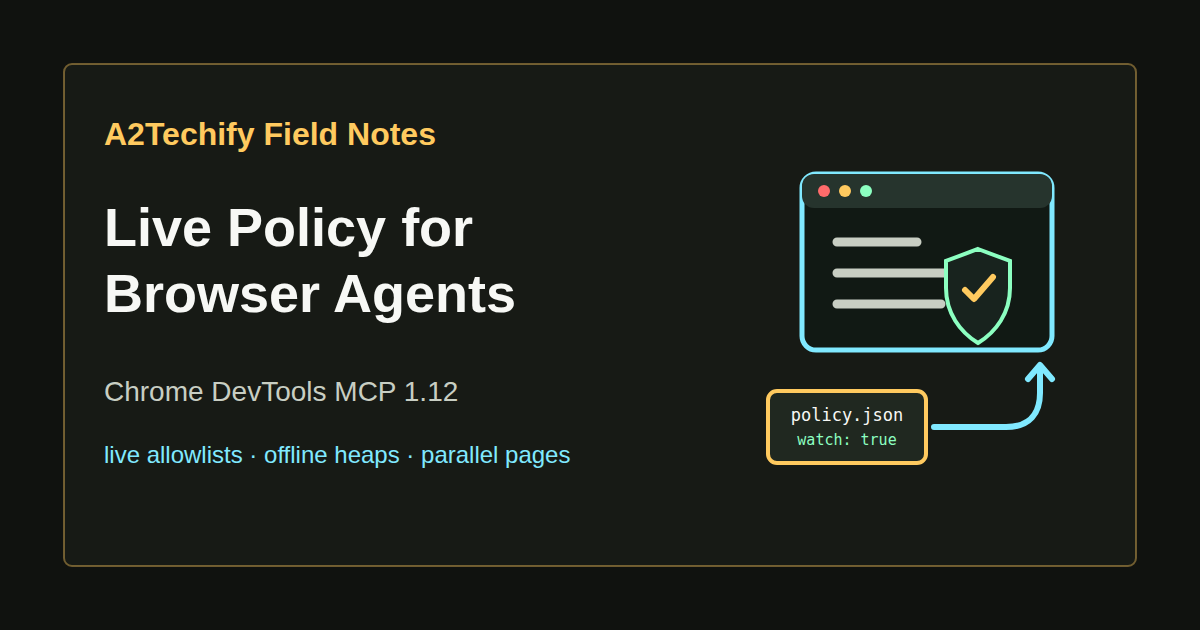
Chrome DevTools MCP 1.12 Can Reload Agent Browser Policy Live
Chrome DevTools MCP 1.12 can reload URL restrictions and tool settings without a restart, while adding offline heap analysis and parallel page-scoped work.
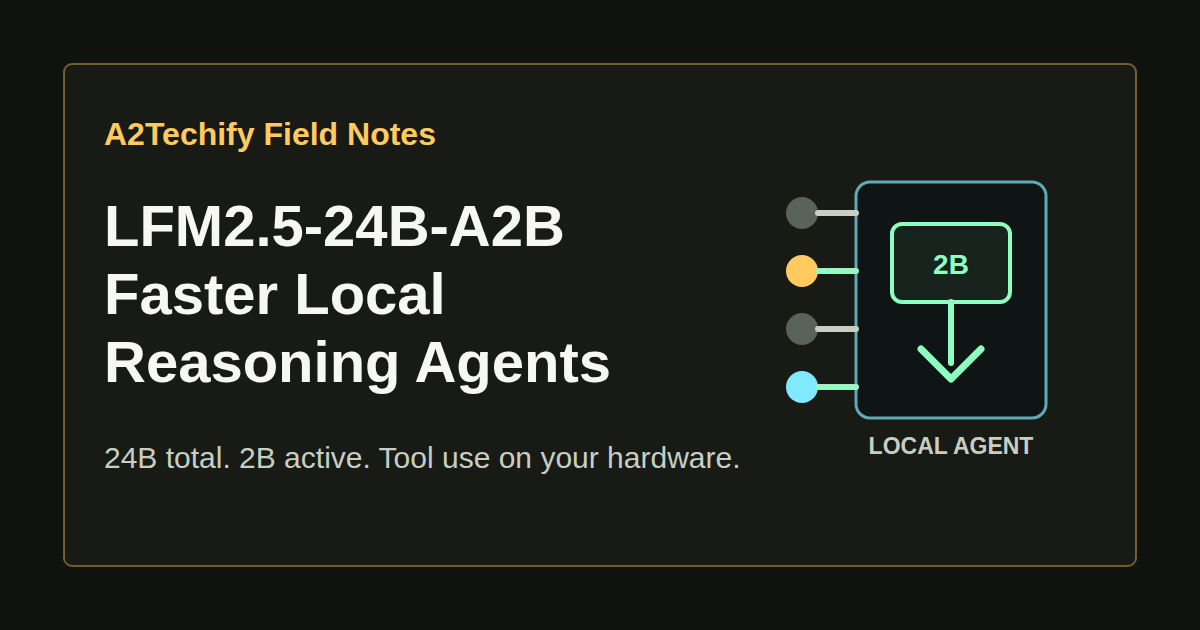
LFM2.5-24B-A2B Brings Faster Reasoning Agents to Local Hardware
Liquid AI's open-weight LFM2.5-24B-A2B activates 2B of its 24B parameters per token, supports tool use, and ships in formats for local agent runtimes.
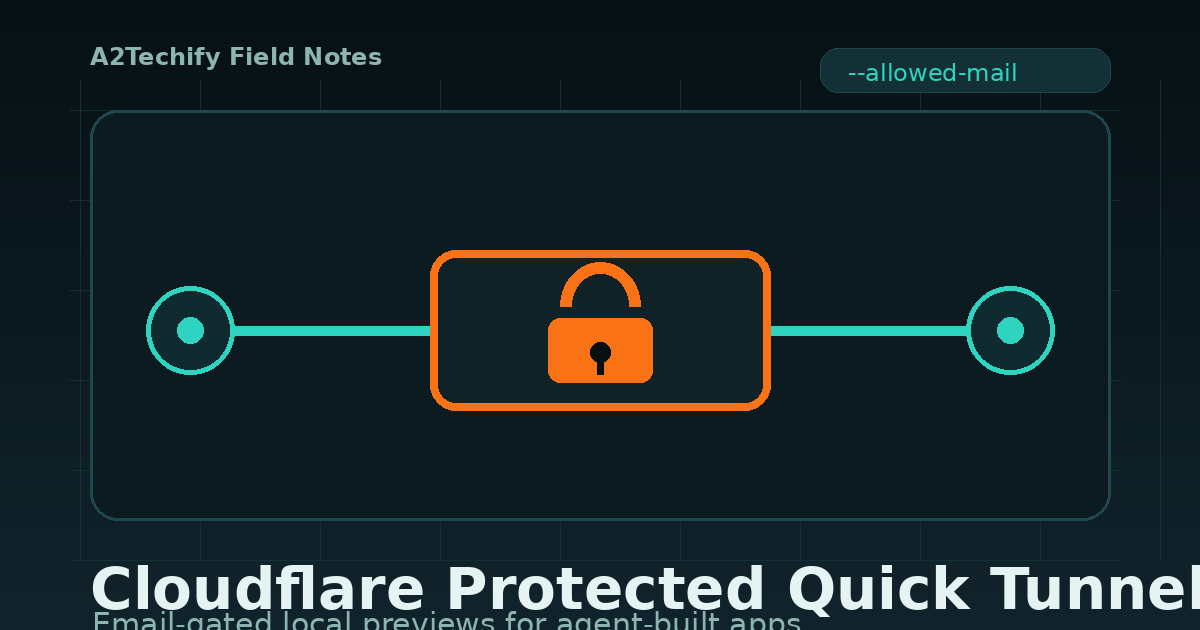
Protected Quick Tunnels Make Agent Previews Less Risky
Cloudflare added free email protection to accountless Quick Tunnels, giving local agent previews a lightweight access gate without creating a Cloudflare app.
Repo-Local Skills Turn Agent Work Into Maintained Workflows
OpenAI's Agents SDK maintenance write-up shows how repo-local skills, AGENTS.md, and CI make recurring agent work repeatable.
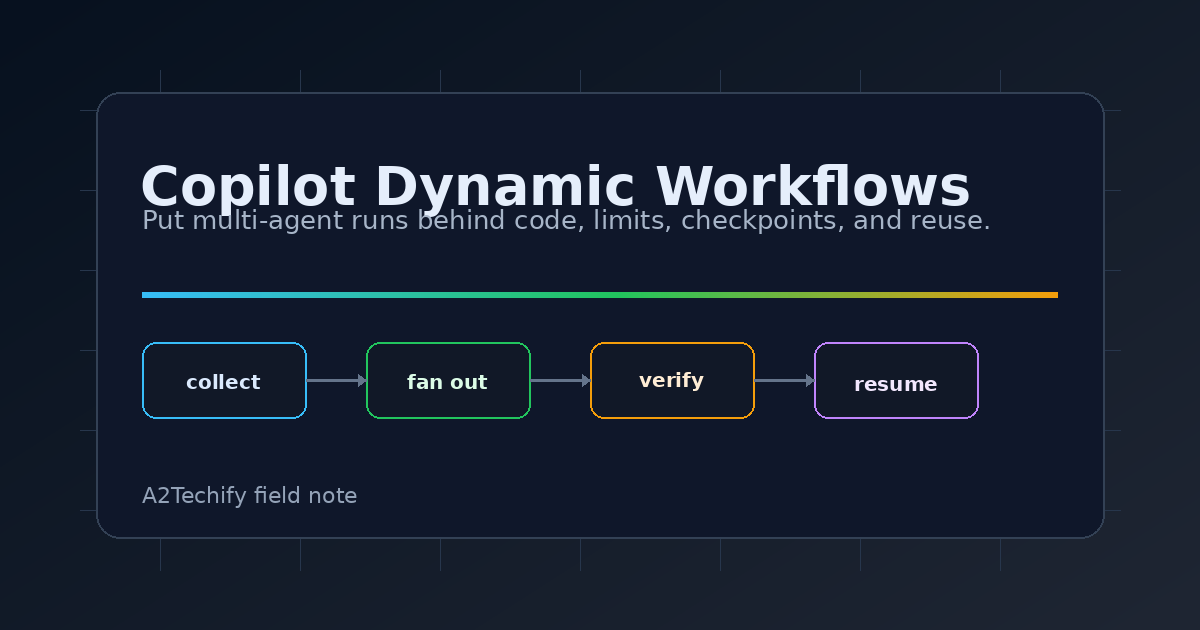
Copilot Dynamic Workflows Make Agent Runs More Repeatable
GitHub Copilot dynamic workflows put multi-agent orchestration into reusable code, with limits, checkpoints, and resumable runs.
Dynamic Workers Make Agent Sandboxes Cheaper To Throw Away
Cloudflare Dynamic Workers move agent code execution into short-lived isolates, which is a practical shape for sandboxing generated JavaScript with narrow capabilities.
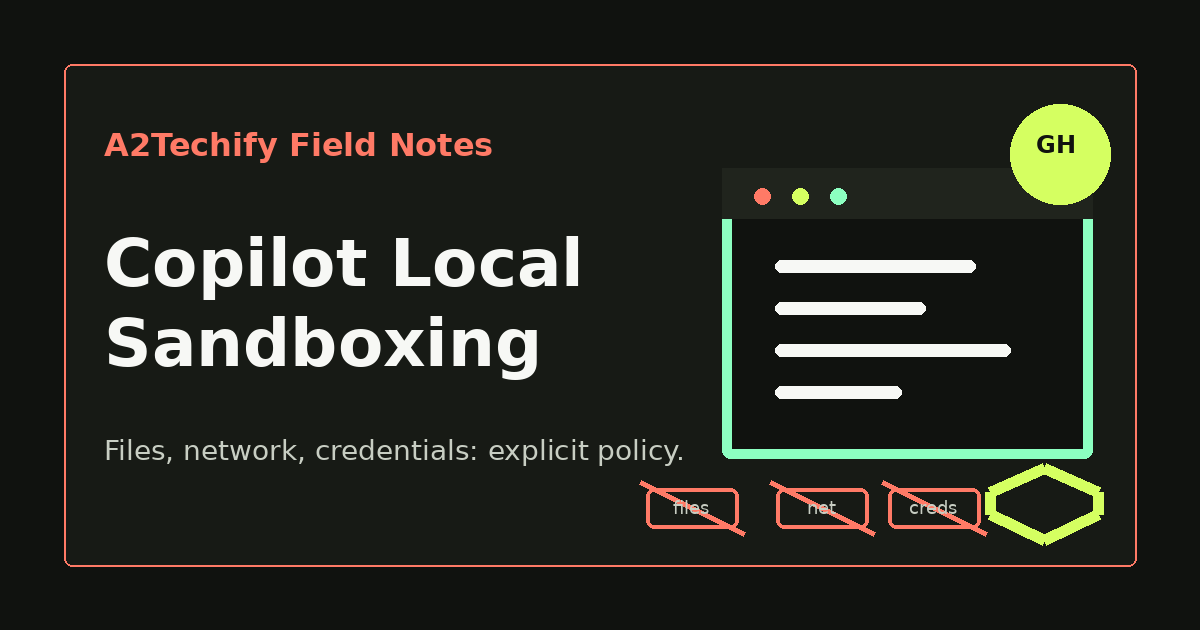
Copilot Local Sandboxing Makes Agent Permissions Concrete
GitHub Copilot app local sandboxing turns agent permissions into per-project policy, which is the right default shape for developer machines.
OpenAI's Agents API Turns the Harness Into a Product
OpenAI's public beta Agents API exposes the managed Codex harness, including sessions, sandboxes, compaction, tool search, and subagents.
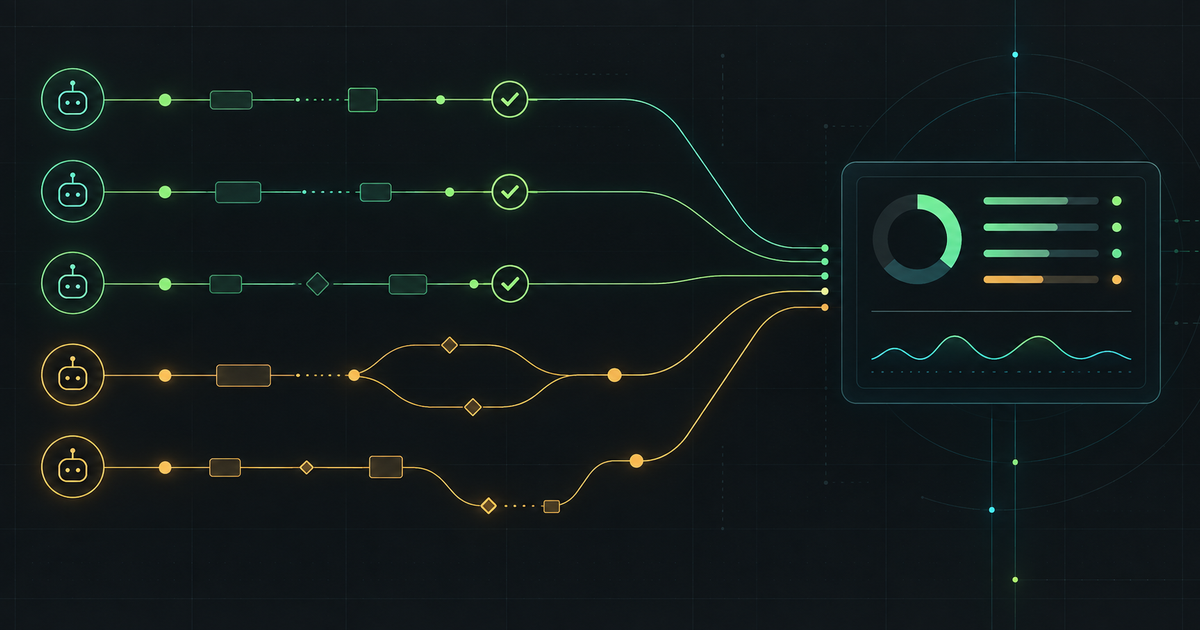
AI Agent Benchmarks Need a Consistency Number
IBM's ALTK-Evolve team showed why average pass rates can hide unstable agent behavior, and how Pass^k gives builders a better reliability check.
Cloudflare Workers Access Can Now Be Scoped Per App
Cloudflare added resource-level roles for Workers, giving teams a cleaner way to give CI systems, teammates, and coding agents only the access one application needs.
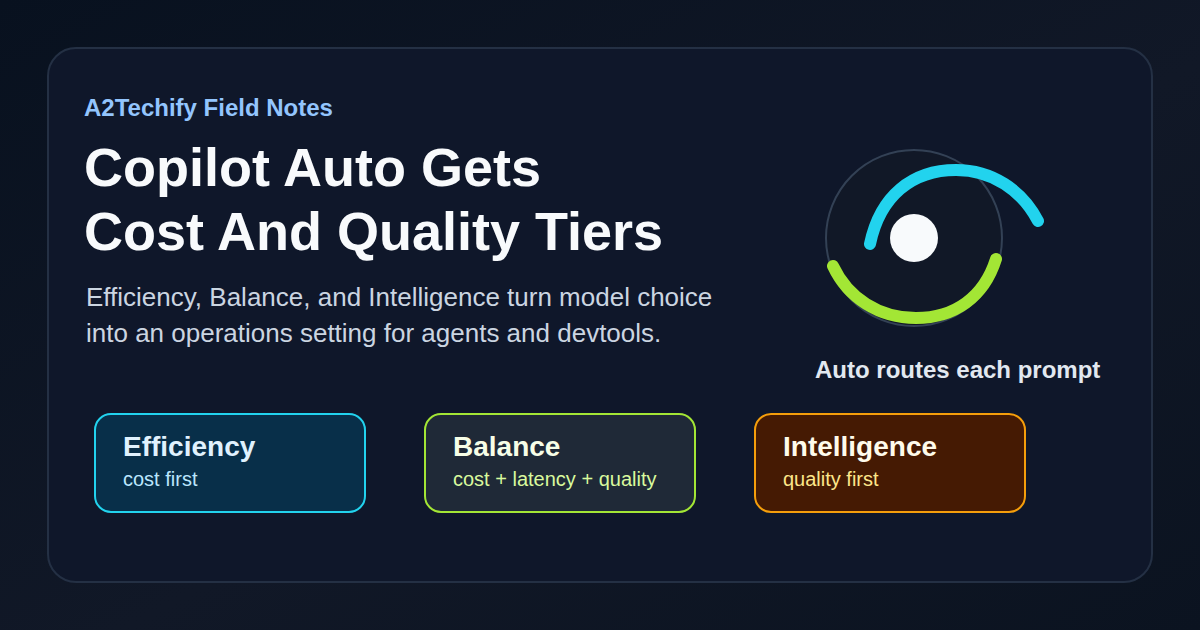
GitHub Copilot Auto Gets Cost And Quality Tiers
GitHub Copilot auto model selection now has efficiency, balance, and intelligence tiers, giving teams a practical way to steer cost, latency, and quality without picking a model for...
VS Code Agent Merge Turns PR Cleanup Into An Agent Loop
VS Code 1.136 adds Agent Merge in preview, giving coding agents a narrower loop for review feedback, failing checks, stale branches, and merge conflicts.
Programmatic Tool Calling Makes Agent Pipelines Smaller
OpenAI's Programmatic Tool Calling lets a model write bounded JavaScript to coordinate tools, which can shrink agent loops when the workflow is predictable and the boundary is clear....
gpt-oss Turns Open Weights Into Agent Runtime Choices
OpenAI's gpt-oss models make open-weight reasoning practical for agent stacks, but teams still need to treat prompt format, memory, tooling, and safety as runtime contracts.
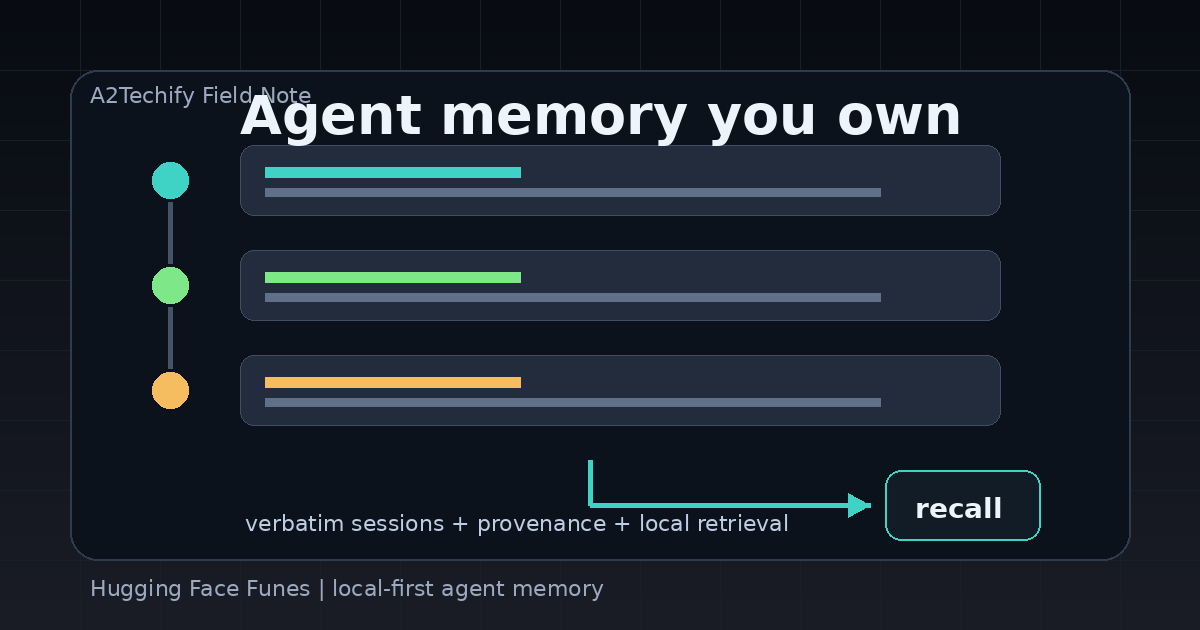
Hugging Face Funes Turns Agent Sessions Into Owned Memory
Hugging Face's funes is a practical local-first memory layer for coding agents: index raw session traces, keep provenance, and share through a dataset only when you choose.
Cloudflare Connects AI Vulnerability Hunting To Production Evidence
Cloudflare's Vulnerability Discovery and Remediation service is a useful pattern for AI security work: rank findings with production traffic, WAF context, validation, and human review.
OpenAI Agents SDK Makes Sandboxes A First-Class Boundary
OpenAI's Agents SDK update is a practical reminder that production agents need explicit workspaces, isolated compute, durable state, and credential boundaries.
Codex Turns Agent Runtime Into Platform Work
OpenAI's Codex platform post is a practical reminder that useful agents need runtime boundaries, product-owned context, streaming, and approval flows, not just a chat box.
Cloudflare BotBase Makes Bot Identity Operational
Cloudflare's BotBase for Operators is a practical reminder that agent and crawler teams need identity, behavior declarations, and verification before traffic gets blocked.
Ollama Brings Local Models Into Claude Desktop
Ollama's Claude Desktop support gives builders a simple way to route desktop AI work to local or Ollama-hosted open models, with a practical smoke test before trusting the...
WebMCP Makes Websites Easier For Agents To Use
Cloudflare's WebMCP preview can add browser-discoverable tools to a site at the edge, giving agents a structured path through web apps instead of fragile click automation.
VS Code Agent Host Makes Coding Sessions Less Tied To One Window
VS Code 1.134 moves agent sessions toward a dedicated Agent Host process, making long-running coding work easier to share, resume, and run near the workspace.
Cloudflare Bot Preference Sync Keeps AI Crawler Policy Honest
Cloudflare's Bot Preference Sync turns AI bot policy into a generated robots.txt block, reducing drift between what a site says to crawlers and what it enforces at the...
Docker Sandboxes Put CI Agents Behind a Smaller Boundary
Docker's GitHub Agentic Workflows integration gives coding agents a microVM sandbox with a private Docker daemon, making CI automation more useful without handing it the whole runner.
Cloudflare OAuth Makes Agent Permissions Less All-Or-Nothing
Cloudflare's optional OAuth scopes give agent and MCP builders a practical way to request broad capability while letting users approve a narrower task-based grant.
Coding Agent Allowlists Are Not A Security Boundary
A practical look at why trusted-command allowlists can fail for coding agents, and what teams should move into the sandbox boundary instead.
Docker Sandboxes Make ESP32 Agent Workflows Less Risky
A practical look at reproducible ESP32 firmware builds, remote serial flashing, and safer AI-assisted hardware loops with Docker Sandboxes.
What MCP Traffic Detection Can—and Cannot—Protect
Where Cloudflare's MCP traffic detection helps, where it cannot, and which controls still belong at the server.
A Workable Artifact Layout for LeRobot Training Runs
Using manifests, checksums, and Hugging Face Storage Buckets to keep mutable robotics runs under control.
Testing Nemotron 3.5 Lightning in a Local Agent Loop
A small Ollama-based test of NVIDIA Nemotron 3.5 Lightning as a local tool-calling worker.
Muse Glimmer Shows What a Practical Local-Agent Stack Looks Like
How Muse Glimmer, LoRA, QLoRA, and quantization fit together when you build a local agent for real work.